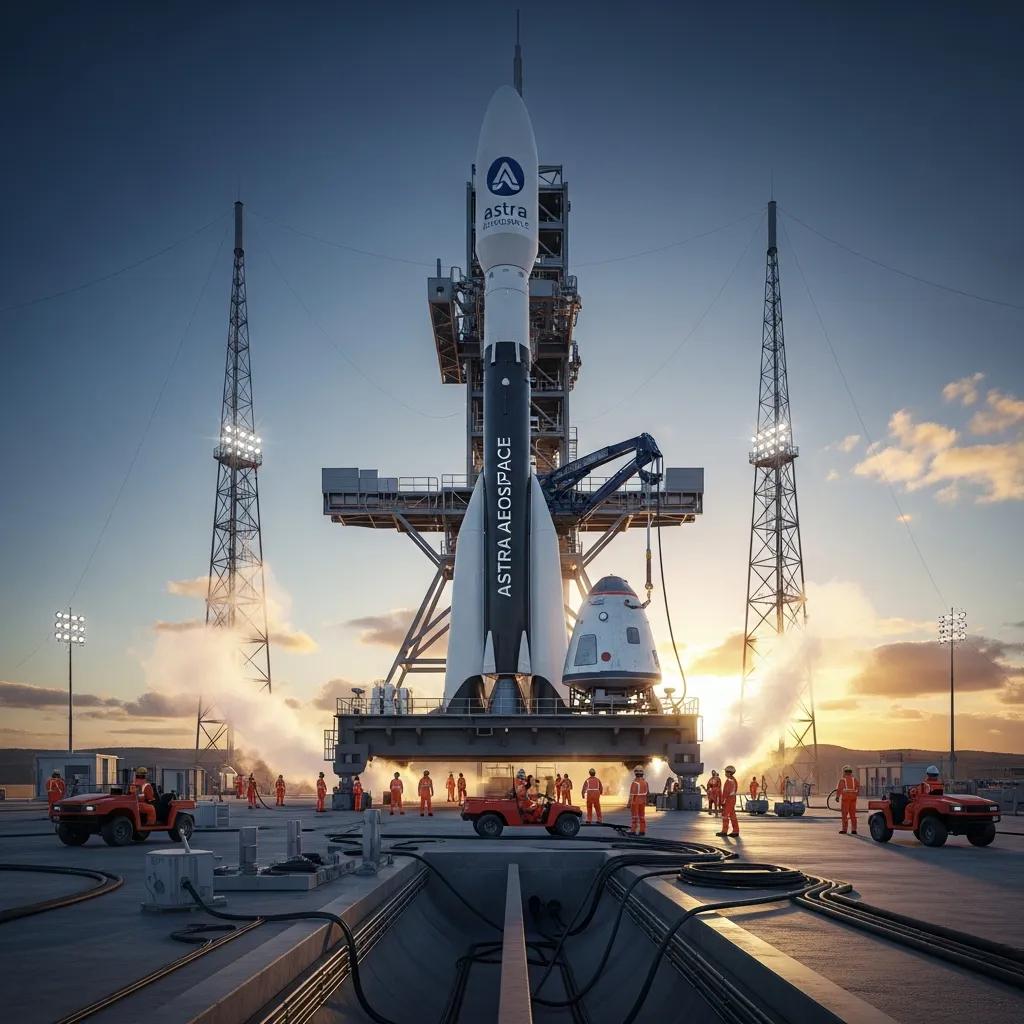
The Future of Space Travel and Discovery: Exploring Space Tourism, Interplanetary Travel, and Space Colonization
The future of space travel is an exciting frontier that promises to redefine our understanding of exploration and discovery. As advancements in technology and commercial interest grow, the landscape of space tourism, interplanetary travel, and space colonization is rapidly evolving. This article will delve into the latest trends in commercial spaceflight, the emerging technologies that are driving exploration, and the ambitious missions aimed at colonizing Mars and the Moon. Readers will gain insights into how these developments are shaping the future of humanity in space, addressing the challenges and opportunities that lie ahead. We will also explore the safety protocols and regulations that govern these endeavors, ensuring that as we reach for the stars, we do so responsibly and sustainably.
What Are the Latest Trends in Commercial Spaceflight and Space Tourism?
Commercial spaceflight is experiencing unprecedented growth, driven by technological advancements and increasing public interest. The market is expanding as companies innovate to make space travel more accessible and affordable. This section will explore the key players in the commercial spaceflight market and how they are shaping the future of “space tourism”.
The burgeoning market for space tourism is driven by evolving business models and increasing public demand.
Commercial Space Tourism: Market Demand & Business Models
This is followed by a discussion on market demand and current business models, highlighting the challenges and opportunities in this nascent industry. The paper supports privately owned suborbital space tourism (SST) and no government funded orbital space tourism, emphasizing the commercial drivers.
The first decade of commercial space tourism, 2015
Which Companies Are Leading the Commercial Spaceflight Market?
Several companies are at the forefront of the commercial spaceflight industry, each contributing unique innovations and services. Notable leaders include SpaceX, Blue Origin, and Virgin Galactic. SpaceX has made significant strides with its Falcon 9 and Crew Dragon spacecraft, successfully launching astronauts to the International Space Station (ISS). Blue Origin focuses on suborbital flights with its New Shepard rocket, while Virgin Galactic aims to provide suborbital space tourism experiences. These companies are not only competing for market share but also pushing the boundaries of what is possible in space travel.
How Is Space Tourism Becoming More Accessible and Popular?
Space tourism is becoming increasingly popular as companies work to lower costs and enhance the experience. Recent trends indicate a growing interest among the public, with ticket prices for suborbital flights starting to become more competitive. Initiatives such as all-inclusive packages and promotional offers are making space travel more appealing to a broader audience. As technology advances, the dream of experiencing weightlessness and viewing Earth from space is becoming a reality for more people than ever before.
What Are the Emerging Technologies Driving Space Exploration?
Emerging technologies are pivotal in advancing space exploration, enabling missions that were once thought impossible. This section will examine the innovative propulsion systems and robotics that are transforming our capabilities in space.
Advanced propulsion systems, such as ion thrusters and nuclear thermal propulsion, are revolutionizing interplanetary travel. These technologies offer higher efficiency and faster travel times compared to traditional chemical rockets. For instance, ion thrusters use electric fields to accelerate ions, providing a continuous thrust that can significantly reduce travel time to destinations like Mars. As these systems are further developed, they will play a crucial role in enabling human exploration of the solar system.
What Innovations Are Shaping Space Habitats and Robotics?
Innovations in space habitats and robotics are essential for sustaining human life during long-duration missions. Developments in 3D printing technology allow for the construction of habitats using local materials, reducing the need to transport building supplies from Earth. Additionally, advanced robotics are being designed to assist astronauts in various tasks, from construction to maintenance. These innovations not only enhance mission efficiency but also ensure the safety and well-being of crew members in the harsh environment of space.
This technology is crucial for future space colonization efforts, as highlighted by ongoing research and challenges.
3D Printing Lunar & Martian Habitats for Space Colonization
program launched the 3D-Printed Habitat (3DPH) Challenge to develop technologies for constructing habitats on extraterrestrial surfaces using advanced additive construction technology. The goal is to enable autonomous 3D printers to construct a habitat on the Moon or Mars.
3
D-printing lunar and martian habitats and the potential applications for additive construction, S Nazarian, 2020
How Are Mars and Lunar Colonization Missions Shaping the Future?
Mars and lunar colonization missions are pivotal in shaping humanity’s future in space. These ambitious projects aim to establish a human presence beyond Earth, paving the way for long-term exploration and potential settlement. This section will discuss the timelines and challenges associated with these missions, as well as the advancements made through NASA’s Artemis program.
What Are the Timelines and Challenges of Mars Colonization?
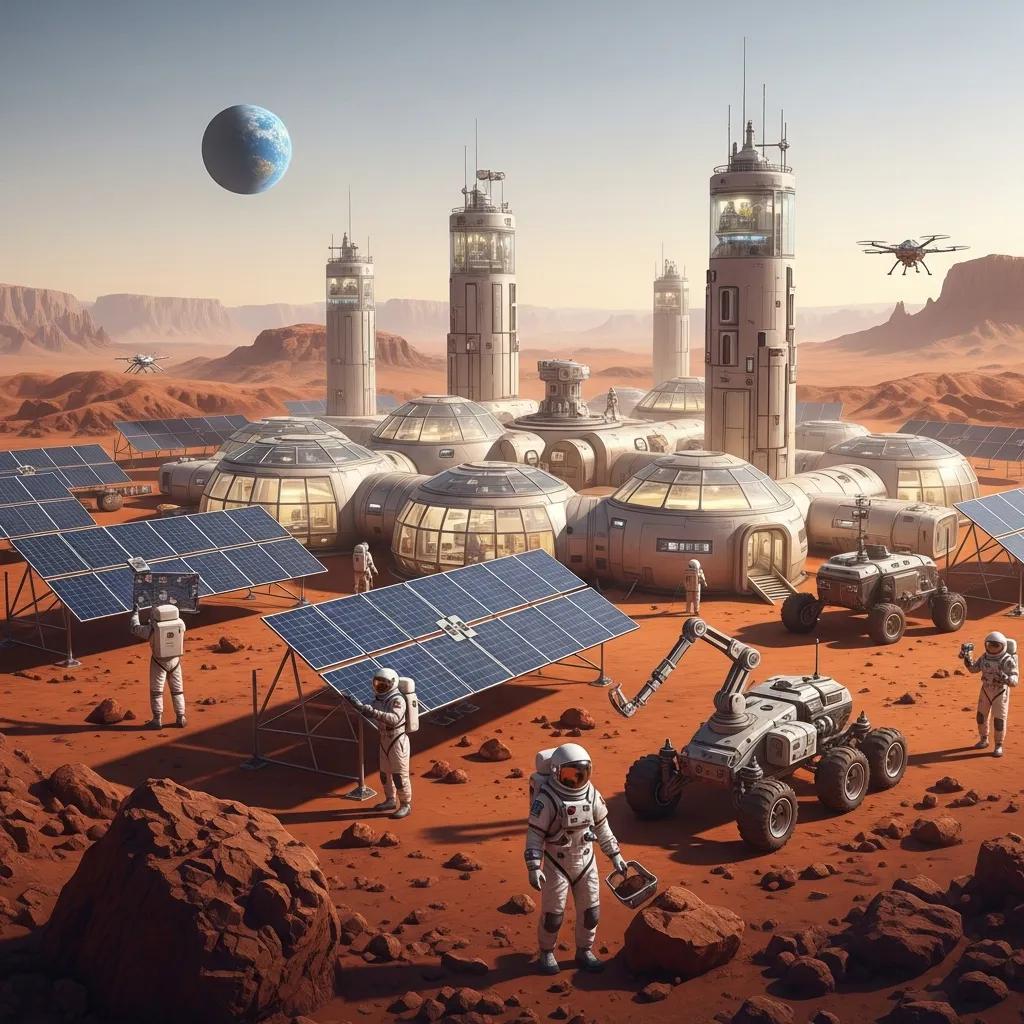
The timeline for Mars colonization is ambitious, with plans for crewed missions as early as the 2030s. However, several challenges must be addressed, including life support systems, radiation protection, and sustainable resource utilization. Developing technologies to produce food, water, and oxygen on Mars will be critical for long-term habitation. As research progresses, these challenges will inform the strategies needed to establish a permanent human presence on the Red Planet.
How Does NASA’s Artemis Program Advance Lunar Exploration?
NASA’s Artemis program is a cornerstone of lunar exploration, aiming to return humans to the Moon by 2025. This program focuses on sustainable exploration, with plans to establish a lunar base that will serve as a testing ground for technologies needed for Mars missions. The Artemis program also emphasizes international collaboration and partnerships with commercial space companies, fostering a new era of exploration that includes diverse contributions from around the globe.
Further details on the Artemis program’s phased approach reveal its ambitious scope for lunar return.
NASA’s Artemis Program: Missions to Return to the Moon
The Artemis program has been renamed Artemis I, II, and III, and will consist of an uncrewed flight around the Moon (Artemis I), a crewed flight around the Moon (Artemis II), and a landing at the lunar south pole.
The artemis program: An overview of nasa’s activities to return humans to the moon, 2020
What Safety Protocols and Regulations Govern Future Space Travel?
As space travel becomes more common, safety protocols and regulations are essential to ensure the well-being of astronauts and the sustainability of space activities. This section will explore the international agreements and evolving standards that govern space travel.
Which International Agreements Ensure Space Travel Safety?
International agreements, such as the Outer Space Treaty, play a crucial role in ensuring the safety and sustainability of space activities. These agreements establish guidelines for the peaceful use of outer space and promote cooperation among nations. As commercial spaceflight expands, new regulations are being developed to address the unique challenges posed by private companies operating in space.
How Are Space Travel Safety Standards Evolving?
Safety standards for space travel are continually evolving to keep pace with technological advancements and the increasing number of missions. Regulatory bodies are working to establish comprehensive safety protocols that address various aspects of space travel, including launch procedures, in-flight safety, and post-mission recovery. As the industry matures, these standards will be critical in maintaining public confidence and ensuring the safe exploration of space.