
How to Track SEO Performance Using SearchAtlas Reports and Dashboards
Tracking SEO performance effectively is crucial for any business looking to enhance its online presence and ensure its marketing strategies are yielding results. This guide will delve into utilizing SearchAtlas reports and dashboards, which are designed to provide actionable insights on your website’s SEO performance. By harnessing features such as comprehensive metrics tracking and customizable reporting, you can transform raw data into meaningful information that drives decisions. Recognizing the essential SEO metrics, implementing effective monitoring strategies, and customizing reports for deeper insights are vital components. This article will help you understand these essential areas, along with practical steps on how to integrate SEO reporting into your quality assurance processes.
Key Takeaways
- SearchAtlas reports and dashboards provide actionable SEO insights through comprehensive metrics tracking and customizable reporting.
- Essential SEO metrics for quality assurance include organic traffic growth, conversion rates, and bounce rates to assess site performance.
- Effective monitoring strategies involve systematic testing, automated KPI tracking, and ongoing metric evaluation using SearchAtlas tools.
- SearchAtlas tracks key SEO metrics like user satisfaction, performance improvements, and time savings from automation.
- Customizing SEO reports in SearchAtlas enhances insight depth by focusing on relevant KPIs and automating report generation.
- Visualizing SEO data effectively requires defining core metrics, customizing dashboards, and implementing continuous monitoring strategies.
- Tracking keyword performance over time with SearchAtlas helps correlate ranking improvements with organic traffic growth and content optimization.
- Integrating SEO reporting into quality assurance processes enables proactive issue detection and data-driven decision-making.
- Emerging SEO dashboard trends emphasize real-time analytics, user-centric customization, and dynamic data visualizations for better decision-making.
What Are the Essential SEO Metrics for Quality Assurance Professionals?
SEO metrics serve as a foundational element for quality assurance (QA) professionals. These metrics help understand website performance and guide optimization strategies. Key metrics to consider include organic traffic growth, which indicates how effectively your site attracts visitors from search engines. Conversion rate evaluation helps assess the effectiveness of your site’s content and user experience in turning visitors into customers. Engagement metrics such as bounce rate provide insight into how well your site retains visitor interest. By focusing on these metrics, QA professionals can ensure that the website continuously meets quality standards and enhances user satisfaction.
Effective Monitoring Strategies

Effective monitoring strategies are essential for maintaining SEO performance over time. Employing clear testing strategies allows for systematic assessments of website changes and their impact on SEO metrics. Utilizing features offered by SearchAtlas can automate this process, helping teams to monitor key performance indicators (KPIs) proactively. Additionally, implementing ongoing metric monitoring ensures that any significant fluctuations or issues are detected and addressed promptly. By integrating these strategies, businesses can maintain optimal SEO performance while keeping abreast of essential developments in their analytics.
Which Key SEO Metrics Does SearchAtlas Track?
SearchAtlas tracks a variety of key SEO metrics that are vital for understanding website performance. These metrics include user satisfaction rates, which gauge how effectively the site meets the needs of its audience. Performance improvement metrics provide insights into areas where optimization has been successful, while time savings due to automation indicate efficiencies gained through using SearchAtlas tools. By keeping track of these metrics, businesses can make informed decisions to enhance their SEO strategies.
Because
leverages
, it can offer sophisticated insights into ranking and optimization for businesses.
SearchAtlas: AI-Powered SEO for Enhanced Ranking
SearchAtlas is a generative AI powered SEO tool that helps Boosting Generative Experience Optimization: Analyzing Strategic Factors for Ranking in Artificial Intelligence Overviews, 2025
How Do These Metrics Impact Software Quality Assurance?
The metrics tracked by SearchAtlas significantly impact software quality assurance by providing a data-driven foundation for decision-making. For instance, performance improvement correlation helps QA teams identify successful strategies and replicate them across various areas. User satisfaction impact reveals how well changes to the website align with user expectations. Moreover, time efficiency contributions highlight how automated processes can free up resources for further QA initiatives. As a result, these metrics enable QA professionals to deliver high-quality websites that engage users effectively.
How Can You Customize SEO Reports in SearchAtlas for Deeper Insights?
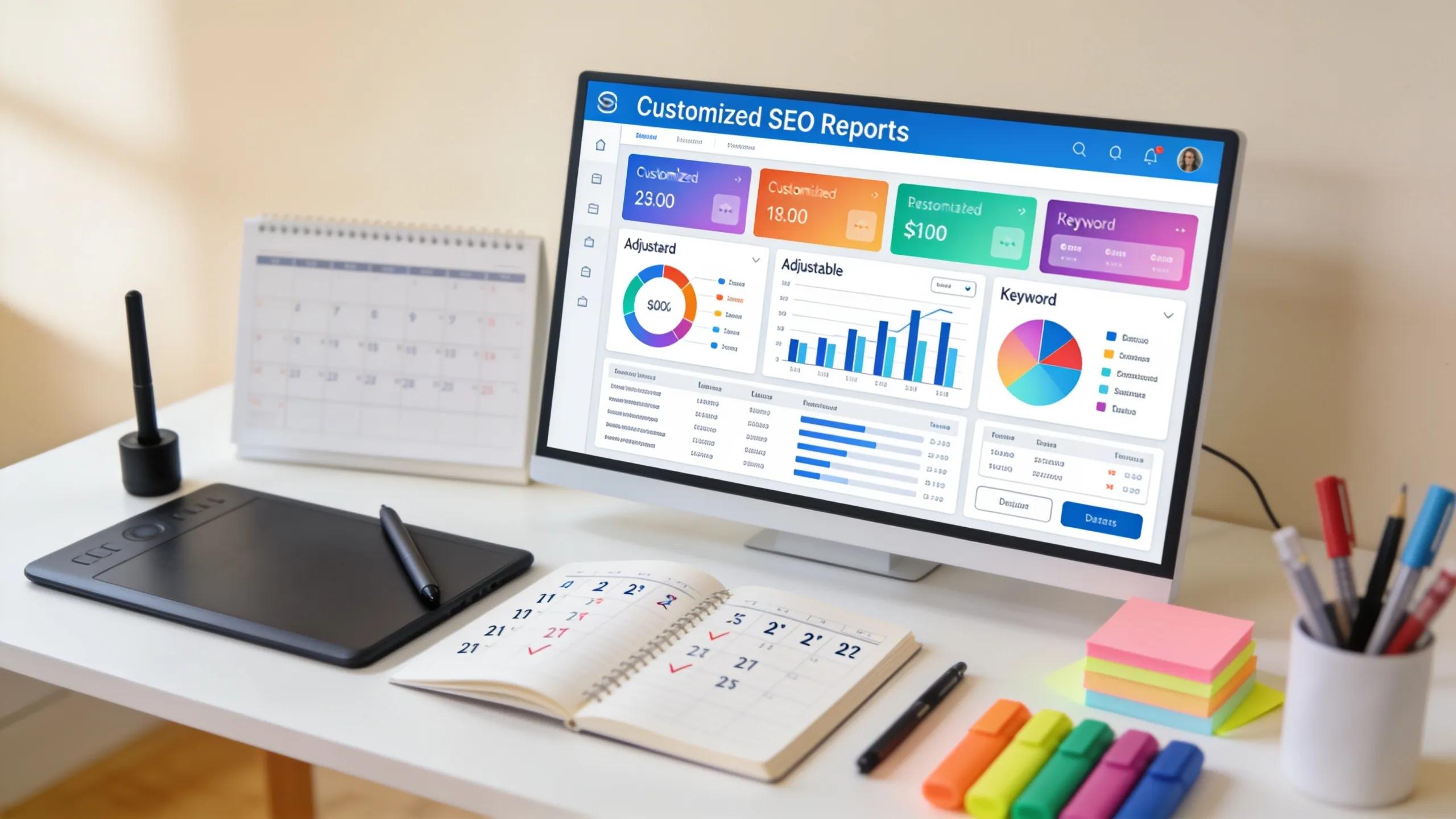
Customizing SEO reports in SearchAtlas enhances the depth of insights that can be gleaned from your data. SearchAtlas provides comprehensive dashboard capabilities that allow users to visualize metrics relevant to their objectives. This includes focusing on specific KPIs that matter to business goals. Furthermore, automating report generation streamlines the process, making it easier to track performance over time without excessive manual effort. This customization capability ensures that businesses can adapt their reporting methods to suit their unique needs.
What Are the Steps to Create Custom SEO Reports?
Creating custom SEO reports within SearchAtlas involves several key steps. First, users should integrate their analytics dashboards to bring in the relevant data sources. Next, configuring automated report generation settings will ensure that updates occur regularly without manual intervention. Subsequently, businesses can apply performance tracking methodologies that align with their specific goals. Following these steps will lead to more tailored reporting, which directly reflects the metrics that are most important.
How Do Custom Reports Enhance SEO Performance Tracking?
Custom reports significantly enhance SEO performance tracking by delivering real-time performance insights customized to business needs. This approach increases visibility into critical metrics, allowing teams to identify trends and patterns within their data. Efficiency gains through automation also mean that teams can spend less time generating reports and more on strategic analysis. With tailored insights, businesses can react swiftly to performance changes, ensuring ongoing optimization.
What Are Best Practices for Visualizing SEO Data in SearchAtlas Dashboards?
Visualizing SEO data effectively in SearchAtlas dashboards requires adherence to best practices that enhance comprehension and usability. Defining core metrics is essential, as it focuses attention on the most impactful data. Customizing dashboards to suit the audience ensures that stakeholders receive the insights they need to make informed decisions. Lastly, implementing continuous monitoring strategies means real-time adjustments can be made based on the latest data, maximizing the usefulness of the dashboards.
How to Effectively Use Dashboards for Real-Time SEO Data Analytics?
Using dashboards for real-time SEO data analytics involves several strategic approaches. Defining key metrics upfront shapes the analysis to be relevant and focused. Dashboard customization options allow users to tailor views based on specific user needs or departmental requirements. Additionally, leveraging predictive analytics can help forecast trends and potential performance issues before they arise. Effectively implemented, these practices ensure that the data processed through dashboards remains actionable and relevant.
The advancements in
are proving to be transformative for predictive market strategies within enterprises.
AI-Enhanced BI Dashboards for Predictive Market Strategy
This study examined whether AI-enhanced business intelligence (BI) dashboards measurably improve predictive market strategy in U.S. enterprises. Building on a systematic evidence scan of 138 peer-reviewed papers (2012–2025) and industry reports covering AI-assisted analytics, managerial decision support, and dashboard adoption, we designed and executed a multi-site quantitative evaluation combining a cluster randomized controlled trial with complementary observational analyses.
AI-enhanced business intelligence dashboards for predictive market strategy in US enterprises, MJI Saidur, 2025
How Do You Track Keyword Performance Over Time Using SearchAtlas?
Tracking keyword performance over time with SearchAtlas involves systematic methodologies that help businesses gauge their ongoing SEO efforts. By regularly analyzing keyword ranking improvements, users can understand how changes impact visibility over time. Improvements in organic traffic can be directly correlated with keyword performance, emphasizing effective strategies. Utilizing analytics tools provided by SearchAtlas further simplifies this process, allowing for deeper insights into SEO effectiveness.
How Does Keyword Performance Data Inform SEO Strategies?
Keyword performance data plays a crucial role in informing SEO strategies by providing evidence on which keywords drive engagement and conversions. Monitoring methodologies that focus on real-time analytics usage allow teams to adjust their tactics based on current performance metrics. Moreover, content optimization techniques derived from keyword data can lead to more effective content strategies that resonate better with target audiences. This alignment ensures that SEO efforts are continuously optimized for better outcomes.
How Can SEO Reporting Be Integrated into Quality Assurance Processes?
Integrating SEO reporting into quality assurance processes enhances the overall effectiveness of both areas. Establishing clear testing protocols helps QA teams assess how changes affect SEO performance systematically. Continuous monitoring roles ensure that SEO performance remains aligned with quality standards throughout the development process. Finally, integrating automated reporting keeps stakeholders informed and allows faster responses to any performance issues that may arise.
What Are the Benefits of Combining SEO and QA Workflows?
Combining SEO and quality assurance workflows can yield considerable benefits for teams. One advantage is proactive issue detection, where potential SEO problems can be identified before they affect performance. Data-driven decision-making is also more effective when both teams are aligned, leading to improved strategies based on comprehensive metrics. Finally, streamlining QA processes with a focus on SEO can lead to more efficient workflows and better end products.
How to Implement Automated SEO Reports in QA Cycles?
Implementing automated SEO reports in QA cycles requires specific procedural steps to ensure success. First, identifying which reports are necessary and aligning them with QA goals is critical. Next, establishing report automation benefits ensures that data collection and analysis occurs regularly without requiring manual input. Lastly, utilizing user feedback can refine reporting processes and help adapt to changing needs over time. This method improves the synergy between SEO performance tracking and quality assurance.
What Are Key Trends in SEO Dashboards and Reporting Tools for 2026?
Key trends in SEO dashboards for 2026 indicate a shift toward greater customization features, enhancing how data is presented and analyzed. There is a growing emphasis on real-time analytics, allowing teams to react swiftly to changes. Additionally, user experience remains a cornerstone of tool development, ensuring that interfaces are intuitive and meet the diverse needs of users. Staying informed about these trends can significantly impact how businesses leverage SEO tools.
Which Dashboard Customization Features Are Emerging?
Emerging dashboard customization features are shaping how teams interact with their data. User-centric customization allows stakeholders to tailor their dashboards to reflect personal preferences and needs, increasing usability. Dynamic data visualizations ensure that insights are easily digestible, fostering quicker decision-making processes. This increased focus on improving reporting tools ensures that businesses can more effectively track their SEO performance.
How Does Real-Time SEO Data Visualization Impact Decision-Making?
Real-time SEO data visualization has a profound impact on decision-making processes within organizations. It provides immediate insights that inform quick responses to performance changes. Enhanced collaboration benefits arise from shared visualizations that keep all stakeholders aligned with the latest data. This responsive approach to decision-making, driven by real-time visual insights, enhances overall efficiency while ensuring that strategies remain adaptive to market pressures.
Frequently Asked Questions
What is SearchAtlas and how does it assist with SEO tracking?
SearchAtlas is an advanced SEO tool that offers comprehensive features for tracking and analyzing SEO performance. It enables businesses to monitor various key performance indicators (KPIs) including keyword rankings, organic traffic, and user engagement metrics. By centralizing data and providing customizable reports, SearchAtlas empowers users to derive actionable insights that inform their SEO and marketing strategies effectively.
How often should I review SEO performance metrics?
Reviewing SEO performance metrics should be a regular part of your digital strategy. While daily monitoring may be excessive, weekly or monthly reviews are typically recommended. This allows you to keep track of trends, identify anomalies, and adjust your strategy accordingly. Regular assessments foster a proactive approach to SEO, helping businesses quickly address potential issues and optimize performance over time.
What role does user experience play in SEO performance?
User experience (UX) is a critical factor in SEO performance. Search engines prioritize websites that provide a positive experience, evidenced by low bounce rates, high interaction levels, and faster loading times. An enhanced UX can lead to improved rankings, as search engines interpret user satisfaction as a sign of quality content. Investing in UX can significantly benefit your SEO strategy and overall site performance.
What are the common challenges faced in SEO reporting?
Common challenges in SEO reporting include data interpretation, integration of multiple data sources, and choosing the right metrics to focus on. Many businesses struggle to connect their reporting with actionable insights, leading to confusion over the effectiveness of their strategies. Additionally, keeping reports updated in real-time can be difficult without the proper automation tools, leading to outdated information impacting decision making.
Can SearchAtlas integrate with other marketing tools?
Yes, SearchAtlas is designed to seamlessly integrate with various marketing tools and platforms, enhancing its functionality. By connecting with analytics software, content management systems, and CRM tools, SearchAtlas provides a comprehensive view of your marketing efforts, allowing you to correlate SEO data with overall marketing performance. This synergy allows teams to align their strategies more effectively.
How does SearchAtlas use AI to enhance SEO tracking?
SearchAtlas leverages artificial intelligence to enhance its SEO tracking capabilities by providing predictive analytics and advanced insights into user behavior. AI algorithms analyze vast amounts of data to identify patterns, suggest optimizations, and forecast future performance changes. This capability allows businesses to proactively adjust their strategies based on data-driven predictions, significantly enhancing their overall SEO efforts.
What should I include in my customized SEO reports?
Your customized SEO reports should include key metrics tailored to your specific objectives, such as organic traffic, keyword rankings, conversion rates, and user engagement statistics. Visualization tools should display data trends clearly, and it’s beneficial to include actionable insights or recommendations based on the tracked metrics. This approach ensures that the reports serve as a meaningful resource for driving strategic decisions and overall performance improvements.
Conclusion
Utilizing SearchAtlas for tracking SEO performance allows businesses to gain actionable insights that enhance their digital marketing strategies. By focusing on critical metrics like organic traffic and conversion rates, companies can make informed decisions that drive results. Implementing effective monitoring and customizable reporting ensures that organizations stay ahead in the competitive landscape. Start exploring SearchAtlas today to optimize your SEO efforts and elevate your online presence.
Conclusion