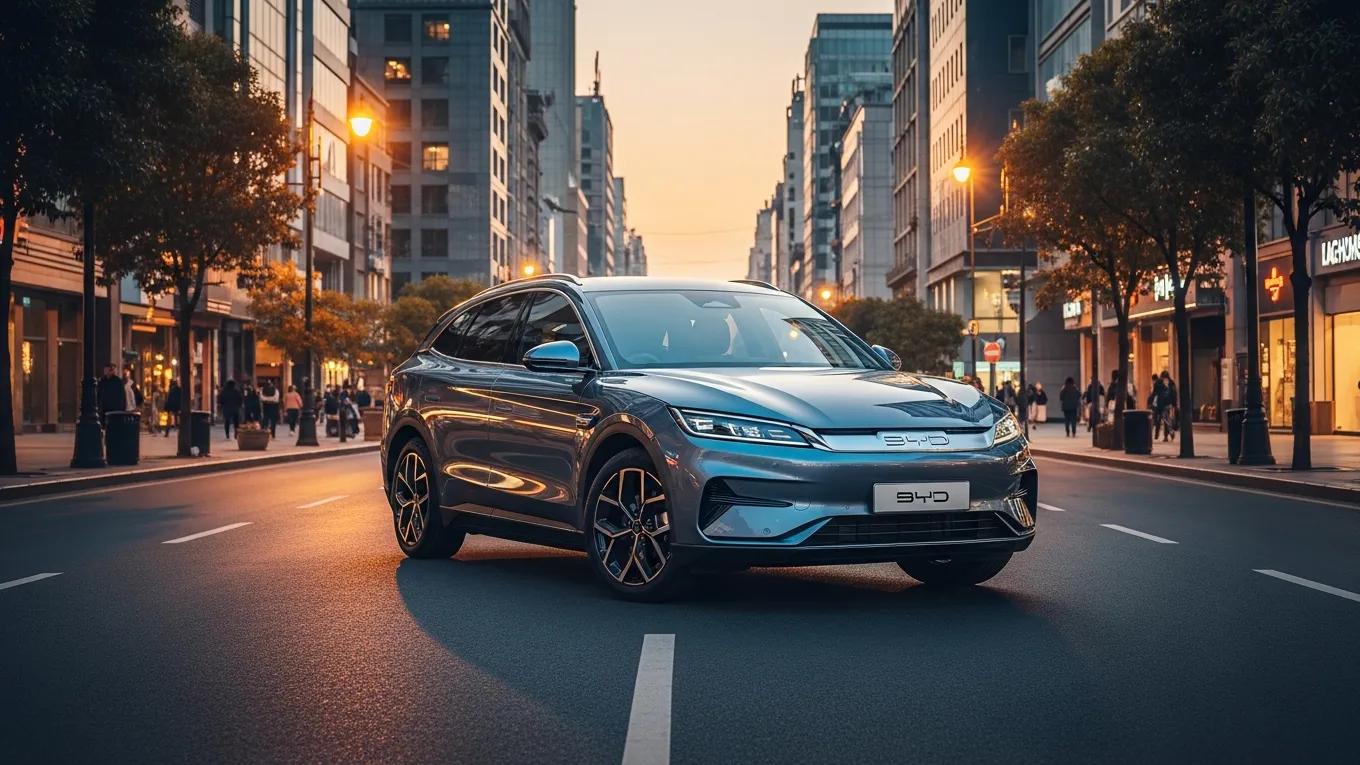
Reliable Electric Vehicles in Pakistan: Your Trusted BYD Guide to Safe, Dependable Driving
Choosing a reliable electric vehicle is increasingly practical for Pakistani drivers facing high fuel costs and range uncertainty, and BYD’s engineering—centered on Blade Battery technology and robust vehicle design—aims to reduce those worries while delivering dependable daily transport. This guide explains why “reliable electric” matters in Pakistan, what makes the most reliable electric vehicle candidates stand out, and how specific BYD models address safety, battery longevity, and serviceability for local conditions. You will learn how Blade Battery contributes to safety and lifespan, how local assembly plans and dealer support affect ownership reliability, which BYD models suit different buyer needs, and how charging and incentives shape real-world ownership costs. The article maps four core sections: BYD’s reliability strengths; model-level reliability highlights; practical ownership considerations in Pakistan; and direct comparisons with key competitors. Throughout, we reference industry-relevant facts such as planned local assembly timelines and national charging goals to help you decide whether a BYD model is among the most reliable electric car choices available locally.
This section summarizes the main reliability drivers for BYD in Pakistan:
- Blade Battery technology: improved safety profile and longer usable lifespan.
- Global NEV leadership: BYD’s engineering and scale in New Energy Vehicles.
- Local assembly and after-sales: reduced wait times for parts and service.
How does BYD Blade Battery enhance safety and longevity?
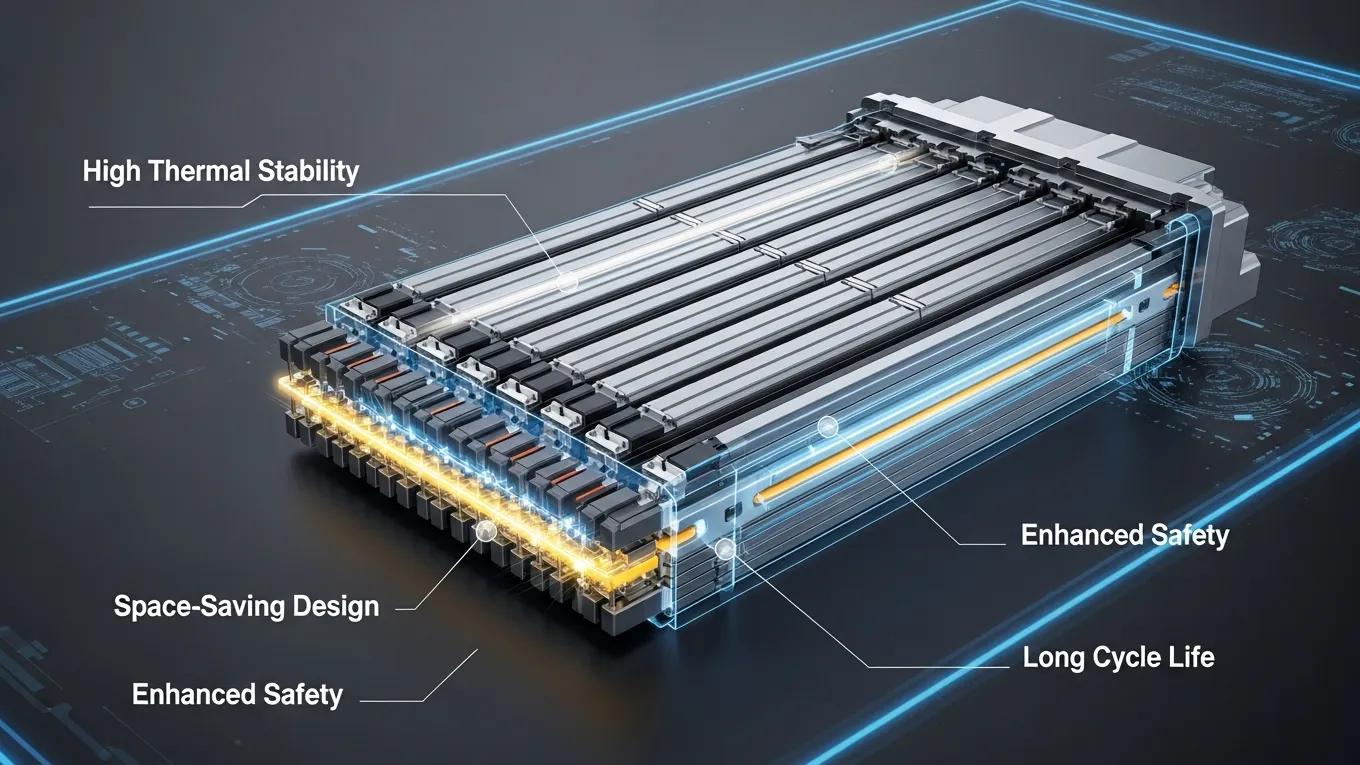
Blade Battery is a BYD battery architecture designed to improve cell-level toughness and thermal management, which reduces the likelihood of thermal runaway and fire in severe abuse conditions. By arranging cells in a flat, blade-like format and improving cooling pathways, the design also aims to preserve usable capacity over many charge cycles, translating to a longer effective battery lifespan and lower long-term replacement risk. For Pakistani drivers, improved battery longevity means fewer battery-related service events and more predictable total cost of ownership when selecting the most reliable electric car. These safety and longevity gains are one reason models equipped with Blade Battery are often recommended for reliability-focused buyers. Understanding how Blade Battery lowers risk sets up the next consideration: local assembly and service access.
Further research delves into the technical specifics and safety advantages of BYD’s innovative Blade Battery technology.
BYD Blade Battery: Safety, Performance, and Design for EVs
Electric vehicles with batteries have started to create a significant impact on the automobile industry nowadays. Along with battery manufacturers, automakers are developing new battery designs for electric vehicles, paying close attention to details like energy storage effectiveness, construction qualities, safety, affordability, and battery performance. The Chinese automaker developed the BYD Blade Battery Build Your Dream (BYD) in 2020. It is primarily a lithium iron phosphate (LFP) battery with prism-shaped cells, with an energy density of 165 Wh/kg and an energy density pack of 140Wh/kg. This essay briefly reviews the BYD Blade Battery’s performance compared to other battery models, model architecture, safety implications of the nail penetration experiment, and cost comparisons with other alternatives. Beyond lithium-ion: the promise and pitfalls of byd’s blade batteries for electric vehicles, S Hasan, 2023
What role do local assembly and after-sales support play in reliability?
Local assembly shortens supply chains and increases parts availability, which reduces downtime for repairs and warranty work and makes routine maintenance more convenient for owners. In Pakistan, BYD has a planned local assembly timeline of mid-2026 with an initial production capacity of 25,000 units annually, a development that should improve spare parts flows and dealer service responsiveness. Reliable after-sales networks and trained technicians mean that common issues are diagnosed faster and genuine parts are available sooner, directly improving real-world reliability. When evaluating a model’s dependability, factor in both the vehicle’s intrinsic robustness and the practical network that keeps it running; local assembly and distributor service are the bridge between engineered reliability and everyday ownership.
Which BYD Models in Pakistan Stand Out for Reliability?
This section highlights the BYD models most relevant to reliability-focused buyers in Pakistan and offers a compact comparison table for quick reference. The aim is to show how each model’s core architecture supports safe, dependable driving while also noting which buyer each suits best. If you prefer to test a specific model, contact the official distributor to arrange a test drive or speak with sales about features and service options.
The key BYD models available through the official distributor include BYD Atto 3 and BYD Seal for full-electric reliability, and BYD Shark 6 as a Plug-in Hybrid Electric Vehicle (PHEV) option that mixes electric driving with fuel fallback for added practicality.
BYD Atto 3 & Seal: core reliability features, safety, and range
The BYD Atto 3 and BYD Seal are positioned as BEV choices where Blade Battery technology contributes to a safer battery architecture and more predictable battery lifespan. These models benefit from BYD’s global NEV engineering and are suited to buyers who prioritize all-electric daily commuting and a high degree of battery confidence. The wider BYD lineup in-market also includes BYD Atto 2 and BYD Sealion 7, which help demonstrate platform commonality and parts familiarity across models. Buyers should consider the Atto 3 or Seal if they want a balance of safety-focused battery design and the lower operating cost typical of electric vehicles. For hands-on comparison, book a test drive with the official distributor to experience handling and perceived quality.
This short list highlights core reliability features for these models:
- Blade Battery presence: improved cell safety and lifespan.
- Robust safety systems: structural design and active safety aids.
- Platform commonality: easier parts sourcing as local support grows.
These features collectively reduce long-term ownership uncertainty for drivers focused on dependable electric mobility.
BYD Shark 6 PHEV: hybrid reliability on Pakistani roads
The BYD Shark 6 represents a Plug-in Hybrid Electric Vehicle (PHEV) approach that pairs an electric powertrain with an internal combustion fallback, offering a practical reliability advantage where charging infrastructure is uneven. PHEV architecture reduces range anxiety by allowing drivers to continue using fuel if charging is unavailable, which is especially relevant given current charging network rollout timelines. In Pakistan, PHEVs are gaining traction—PHEVs outpacing full EVs in adoption in Pakistan—making the Shark 6 a sensible choice for drivers who want electric driving most days without depending solely on public chargers. Typical buyers for the Shark 6 include those with mixed urban and long-distance needs and drivers in regions where fast, reliable charging is still expanding. The hybrid redundancy simplifies daily life and can lower unplanned downtime related to charging availability.
What Should You Know About EV Ownership Reliability in Pakistan?
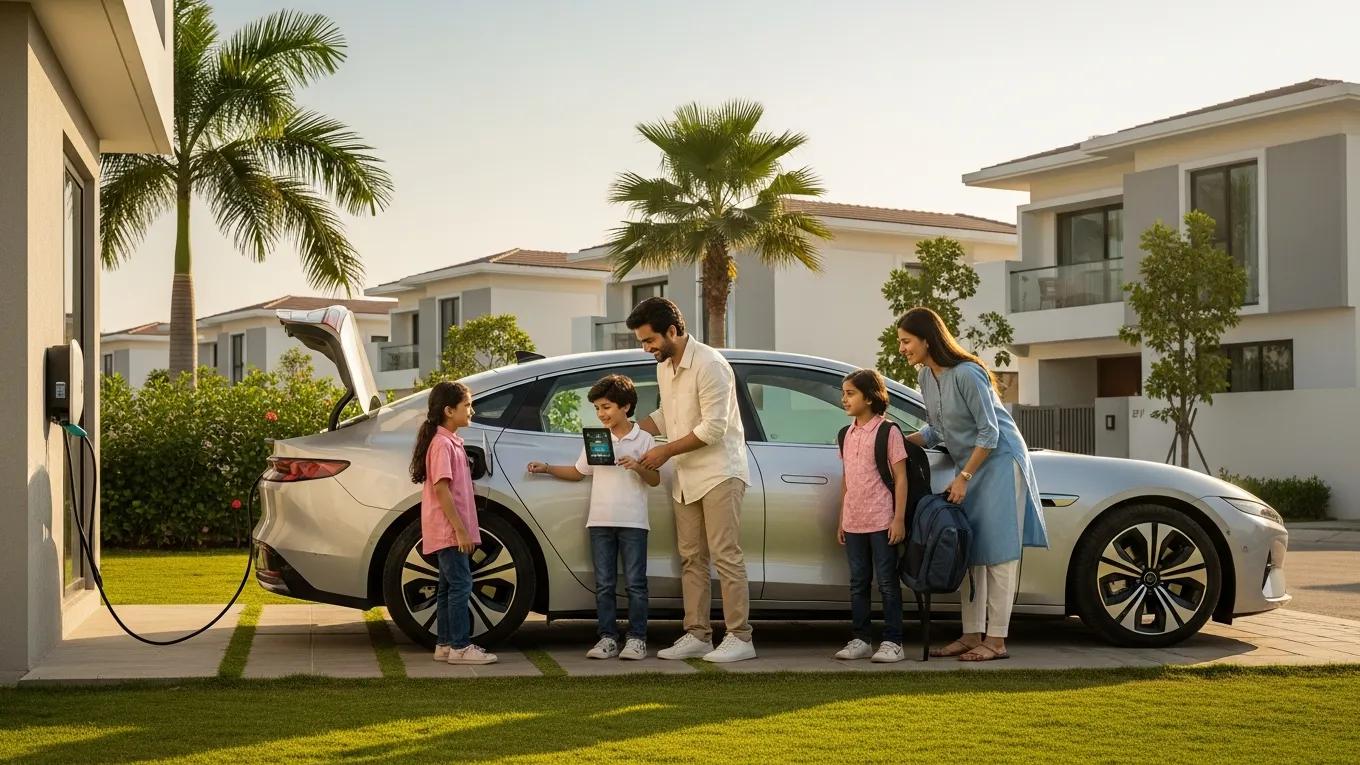
Owning an electric vehicle reliably in Pakistan depends on charging access, government incentives that affect operating cost, and practical service and warranty arrangements. This section provides a checklist of the most important ownership factors, a table comparing key ownership attributes, and guidance on what to ask your dealer about service and warranty before purchase. The goal is to help you assess total cost of ownership and daily dependability rather than just vehicle specifications.
Academic studies further explore the critical factors and policy frameworks influencing the adoption of electric vehicles in Pakistan.
Driving EV Adoption in Pakistan: Key Factors & Policy
Electric vehicles (EVs) have the potential to lead the transition in road transportation from traditional petroleum mobility to electric mobility. Despite many environmental benefits, the market penetration rate of EVs is still low in most developing countries. Recently, Pakistan formulated its first EV policy for 2020–2025 to accelerate EV adoption. This study aims to explore the factors, including environmental concerns, perceived ease of use, effort expectancy, social influence, and perceived facilitating conditions, affecting individuals’ behavioral intentions to purchase EVs in Pakistan. The hypotheses were developed based on the literature, and an online questionnaire survey was conducted in Lahore, Pakistan, to collect the relevant data. The partial least square path modeling approach of structural equation modeling was used to test the hypothesis. The results confirmed that the environmental concerns, perceived ease of use, and effort expectancy positivel
Public intentions to purchase electric vehicles in Pakistan, J Lee, 2021
Key ownership facts to keep in mind:
- Pakistan has a national target of 3,000 EV charging stations by 2030.
- There are already over 20 public charging points available in major cities like Karachi, Lahore, and Islamabad.
- The government enacted a 45 percent reduction in electricity tariffs for EV charging stations (as of January 2025), lowering charging costs for public operators and drivers.
These national trends—investment in charging, an initial network of urban points, and tariff incentives—directly affect how reliable an EV will feel in everyday use.
Experts have also highlighted the significant engineering challenges and strategic recommendations necessary for developing robust EV charging infrastructure in Pakistan.
Pakistan EV Charging: Addressing Infrastructure Challenges
The increasing adoption of electric vehicles (EVs) worldwide has necessitated the rapid development of efficient, reliable, and scalable charging infrastructure. In Pakistan, the nascent EV market faces significant engineering challenges in establishing widespread charging networks that can meet growing demand while maintaining grid stability and ensuring user convenience. This paper reviews critical engineering challenges related to electrical vehicle charging infrastructure, including grid integration, charging station design, power electronics, energy management, and standards compliance. It highlights the current status of EV infrastructure in Pakistan and provides strategic recommendations for addressing these challenges through advanced technologies and policy frameworks.
ELECTRICAL VEHICLE CHARGING INFRASTRUCTURE: ENGINEERING CHALLENGES, A Raza, 2025
Expanding charging network and government incentives in Pakistan
The expanding public charging network and recent government incentives materially reduce range anxiety and operating cost for EV owners; the 45 percent reduction in electricity tariffs for EV charging stations (as of January 2025) makes public charging more affordable and supports faster charger rollout. Pakistan’s goal of 3,000 EV charging stations by 2030 signals long-term infrastructure commitment, and the presence of over 20 public charging points in major cities like Karachi, Lahore, and Islamabad provides a starting foundation for urban owners. For reliability-minded buyers, these facts mean increasing options for topping up away from home and lower per-charge costs as the network scales. Consider how often you drive outside city centers and whether home charging is feasible when choosing between a BEV and a PHEV.
Maintenance, warranty, and service access in major cities
Routine maintenance expectations for EVs are typically lower than internal-combustion vehicles, with fewer moving parts, but access to trained technicians and genuine parts matters more for real-world reliability. Ask dealers about warranty scope and how warranty and service claims are handled through Mega Motor Company (Private) Limited as the official distributor, and confirm service locations in cities where you drive most. Local assembly planned for mid-2026 with initial production capacity of 25,000 units annually should improve parts availability and reduce wait times for repairs and replacements. Prioritize clarity on what is covered by warranty and how quickly parts can be sourced to ensure predictable, dependable ownership.
How Does BYD Reliability Compare with Other EV Options in Pakistan?
Comparing BYD to alternatives like the MG ZS EV and Hyundai Ioniq 5 centers on battery approach, local support plans, and the practical trade-offs between PHEV and full EV architectures. This section provides direct comparative bullets and a compact attribute table to clarify how BYD differs from these competitors on reliability-relevant metrics. Use these comparisons to judge which model family aligns with your priorities for safety, service, and everyday dependability.
- BYD emphasizes Blade Battery safety and has announced planned local assembly (mid-2026) that should improve parts access and service timelines.
- MG ZS EV is a recognized competitor in the Pakistani EV segment, with its own market presence and service networks.
- Hyundai Ioniq 5 is notable for its advanced EV features and engineering pedigree, though local support and assembly plans